The kitchen is often hailed as the heart of the home—a place of warmth, nourishment, and wonderful smells. But with great culinary potential comes a serious set of risks. Among the most insidious and often overlooked dangers is kitchen grease buildup. This sticky, invisible enemy doesn't just make your stovetop look dingy; it is a highly combustible material that, if left unchecked, can transform a simple cooking session into a terrifying emergency. Dealing with grease isn't just about cleaning; it's about understanding chemistry, mastering habits, and building a fortress of preventative knowledge. By taking proactive steps, you can ensure your culinary passion remains safe and joyful.
Understanding the Hidden Dangers of Grease
Before we can solve the problem, we must understand the hazard. Grease buildup is far more dangerous than just a mess; it represents a slow-burning potential fuel source. Ignoring the signs is like leaving a matchbox open in a field of dry tinder.

The Chemistry of Combustibility
Grease, whether it’s rendered animal fat, cooking oil residue, or accumulated splatter, is essentially a complex hydrocarbon mixture. When heated repeatedly, especially near high heat sources, these compounds break down and undergo oxidation. This process raises the overall temperature of the buildup, making it increasingly prone to ignition.
- The Flash Point Myth: Many people think that as long as the grease is below the smoke point of the oil, it’s safe. While the oil itself has a flash point, the residue on surfaces—especially within exhaust vents or on burners—can have a much lower, unpredictable flash point, making it incredibly volatile. The "Slow Burn" Risk: The real danger is that the buildup doesn't ignite all at once. It can smolder, providing enough heat to act like a kindling, and then, with a simple spark, it can rapidly escalate into a major fire.
Recognizing Warning Signs of Buildup
The kitchen is constantly giving you clues, but we often tune them out. Learning to listen to your kitchen is half the battle.
- Visual Cues: Look for dark, tacky residue on stovetops, backsplashes, and especially the underside of kitchen hoods. This is where the grease loves to settle. Olfactory Cues: If you notice a persistent, acrid smell—a smell that seems to linger even after the cooking is done—it is often a sign of burning or overheated grease residue. The Anecdote: My friend, who is a passionate but slightly careless baker, once described the smell of her kitchen after a deep fry session as "a smoky, sweet, metallic fog." It was a subtle warning sign that the residual grease had started to smoke and vaporize, indicating a significant buildup that needed immediate attention.
Implementing Proactive Prevention Strategies
The best defense against a grease fire is prevention. These strategies involve changing how we clean and how we cook.
Deep Cleaning Appliances and Exhaust Systems
This is the single most critical area for intervention. Grease doesn't just collect on the stovetop; it travels.
- Range Hood Filters: These filters are like the kitchen's lungs, and if they are clogged, the entire system struggles. Grease buildup here can lead to dangerous flare-ups. Clean these filters at least once a month. Ventilation Vents: Don't forget the vents themselves. Dust and grease can accumulate here, creating a hidden hazard. Stovetop Scrubbing: Never let splatters accumulate. After every major cooking session, wipe down the burners and grates. A simple dish soap and water solution is often enough to lift the majority of the residue.
Mastering Safe Cooking Habits
The way we cook can dramatically reduce the risk of a grease fire. Think of your kitchen safety habits as your shield.
- Never Leave Cooking Unattended: This is basic, but it cannot be overstated. If you must leave the kitchen, turn off the heat source. Managing Oil Levels: When deep-frying, use a shallow, heavy-bottomed pot. Never overfill it. Always heat oil slowly and gradually, allowing the temperature to rise steadily rather than blasting it to a boil. The Right Tools: Keep wet towels and paper towels nearby, but crucially, never use them to smother a grease fire. That's like trying to put out a wildfire with a damp napkin—it's ineffective and dangerous.
Preparedness: Knowing What to Do When Things Go Wrong
Despite the best efforts, accidents happen. Being prepared is the difference between a minor inconvenience and a catastrophic event.
Essential Safety Equipment
Having the right tools on hand is non-negotiable. These items should be easily accessible and never obscured by pots or cleaning supplies.
- Class K or ABC Fire Extinguisher: A kitchen-specific extinguisher is ideal. Know how to operate it before you panic. Fire Blanket: A heavy, non-flammable fire blanket can be draped over small grease fires or clothing involved in a fire. The Baking Soda Solution: For extremely small, contained grease fires (like a pan fire), smothering it with a generous amount of baking soda or salt can help cut off the oxygen source.
Crafting a Family Emergency Plan
A plan must be practiced, not just written.
- Designated Meeting Spot: Everyone in the household must know where to meet immediately if the smoke alarm sounds or if the fire alarm goes off. Escape Routes: Identify two ways out of every room. Never assume a single exit will be clear. The Power of "Stop": If a fire starts, the immediate response should be to stop cooking, stop everything, and stop moving toward the fire.
Creating a Fire-Resistant Culinary Environment
A safe kitchen is one where safety is built into the routine, not treated as an afterthought. Making these habits second nature is the ultimate way to avoid fire hazards from kitchen grease buildup.
The adage, "Prevention is better than cure," Find out more rings especially true in the kitchen. When we treat grease buildup not as a nuisance, but as a ticking time bomb, our habits shift from negligence to vigilance. How can we make this vigilance sustainable? It requires making safety a core value, much like seasoning the food we cook.
Do you ever feel like the rules are too strict, or that safety precautions slow down the creative process? Perhaps. But consider this quote: "The greatest danger in times of turbulence is assuming that the calm before the storm is permanent." Your kitchen safety is a preventative measure against a potential disaster.
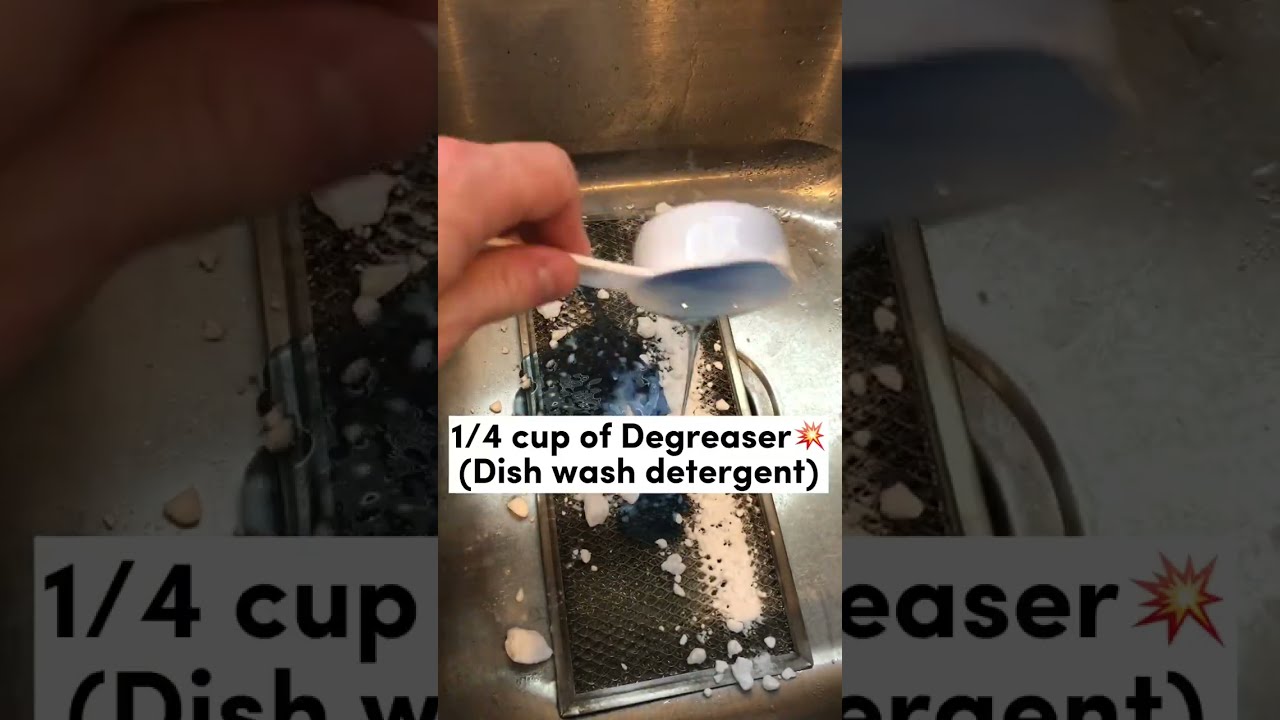
By adopting a rigorous cleaning schedule, using proper equipment, and maintaining an open dialogue about safety within your household, you are not just cleaning pots; you are building peace of mind. Regular maintenance, remembering to avoid fire hazards from kitchen grease buildup, is the most potent ingredient for a happy, safe home.
Ultimately, kitchen safety isn't about fear; it's about empowerment. It’s about knowing that even when things go wrong, you have the knowledge and the tools to respond effectively. Keep your awareness high, clean your vents diligently, and let your culinary skills shine without the looming threat of a grease fire.
HygieneXperts - Commercial & Residential Cleaning Services
12C Tungarra Rd Girraween NSW 2145 Australia,
61498203983